Welcome! This is the tenth part of a ten-part Video and Blog Post Series, aligned with the songs on “Songs for Tree”. You can find an overview and all of the other posts to date in this series here. Let’s explore the power of song to connect children with the land!
Music Video
Here is the lyrics video! It features my dear friend, Joy the Robin.
Introduction
Do you want to have a heaping amount of fun singing with children? Do you want to feel the joy of sharing gratitude and love for trees with others? Then I have a song for you! “Thank You, Tree” is a song for the hot days of summer, when we find refuge and relief in the shade of tall trees. I have had so much fun singing this song over the years, and I’m excited to share with you my thoughts on how to use this song to support children in nurturing their relationship with the land! Read on!
Singing the Song
This song is my all-time favourite to sing! Here are a few reasons why…
🍃 It’s FUN!!! Guaranteed giggles!
🍃 Children get to explore their voice- how high, low, loud, soft, fast, slow and SILLY can they be?!
🍃 Children build confidence in using their voice. This confidence flows far beyond singing, and children will feel more empowered to use their voice in all facets of life.
🍃 This song nurtures our love and gratitude for the land!
When I sing “Thank You, Tree” with children, I invite them to offer up their suggestions of what animals also want to say thank you to the trees. I then follow the ideas of the kids, and we sing the chorus together. I have sung this song with suggestions as far ranging as a flamingo to a butterfly, and each time we are filled with giggles and delight as we sing together.
There are a few reasons why I like to adapt the song to children’s suggestions. The first reason I do this is simply because it’s fun and quite silly and I enjoy it as much as the kids. The second reason is because it encourages children to get involved with the song, knowing their ideas are welcome and that I’m willing to be silly with them. The third reason is that this supports children in singing along and joining me in exploring the full range of their voice.
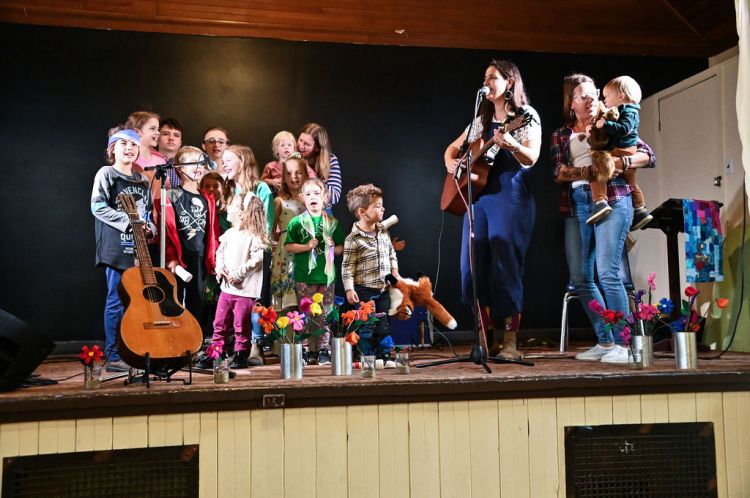
If you would like to read more about my thoughts on the importance of offering children opportunities to explore their range and develop confidence in sharing their voice, check out this blog post I wrote for the Child and Nature Alliance of Canada.
There is yet another reason why I encourage all of the ideas that come my way- from cheetahs to chickadees, turtles to turkeys! I would never say to a child, “Cheetahs don’t live around here! Can you think of an animal that does?” Instead, I always say something along the lines of, “Great idea! Hmm… I wonder how cheetahs sing?! Do you know how? Let’s sing like them!” And off we go, having fun, purring or roaring along to the tune of the song!
There are a couple of reasons why I take this approach…
- It may be that the children I’m singing with don’t have much knowledge of the animals they share the land with, and I don’t want to shame them for that. They may feel embarrassed for being ‘wrong’, that can shut the door to a child’s participation in singing along. It can also stop other children from wanting to risk sharing their ideas.
- Telling them they are ‘wrong’ has the potential to create a barrier between children and nature, as they may get the sense that they don’t ‘know enough’ to be able to participate fully in a song about nature.
I like to focus on meeting children where they are at, and work on learning and growing together. If they think that cheetahs and polar bears live in their neighbourhood, it’s likely that they simply haven’t had the opportunity to build knowledge yet of who they share the land with. It may be that they haven’t had the opportunity to spend a lot of time in local nature. Children’s media also can skew their understanding of who lives local to them, as often exotic animals are featured in children’s books and videos, rather than local animals. “Thank You, Tree” can support them in building this knowledge, as it gets children looking more closely when they go outside and thinking more about who might want to sing this song along with us. So it’s important to me to welcome all of their ideas, and use this song as a way to support them in continuing to nurture their relationship with the natural world.
Inquiry-Based Learning
“Thank You, Tree” is a wonderful tune to support learning about local animals in a number of ways through inquiry-based learning. If the concept of inquiry-based learning is new to you, I invite you to check out the Introduction post to this blog series for more general information. Following are some ideas specific to how I have used “Thank You, Tree” in the warmest months to connect children with nature!
BEFORE A WANDER
Before going out into the land, this song can be used as a spark to get children thinking about different animals we share the land with. I’ll prompt children to think of local animals and then take in their suggestions and sing along. Doing this before a wander gets children thinking a lot about animals, which sparks them to look closely when we go outside!
DURING A WANDER
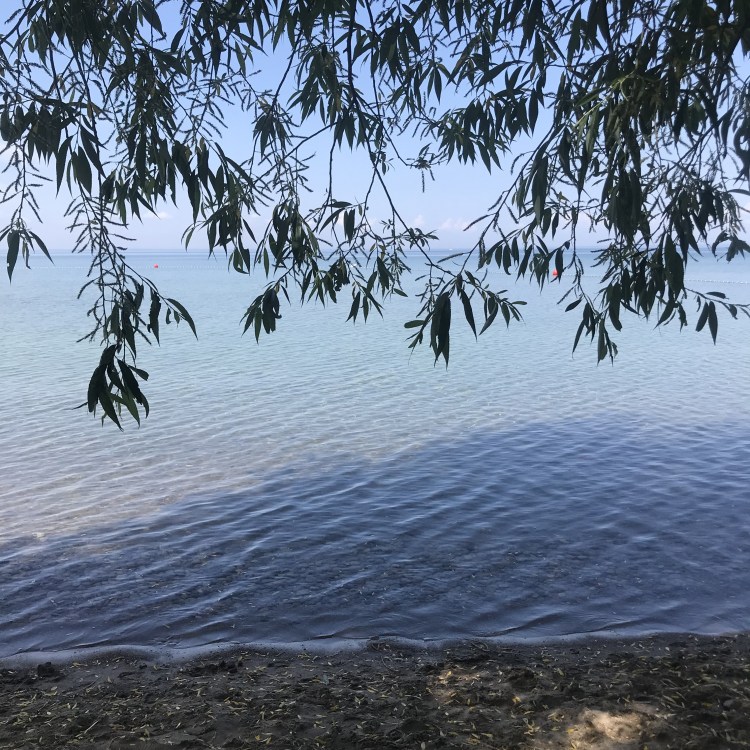
There is really nothing better than singing this song to the trees on a hot day! It’s well worth taking a moment to stop and bask in the wonder of the shade the trees offer us, and then share with them some heartfelt gratitude for being there!
AFTER A WANDER
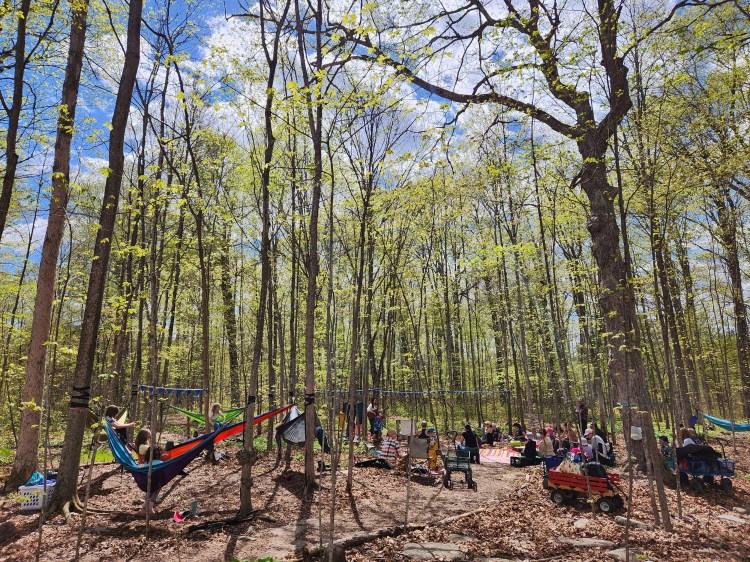
This can be a time to reflect on the ideas we had before our wander, to think about what animals or signs of animals we saw. We can also sing the song again, and use “Thank You, Tree” as a means to tell the story of all the different animals we noticed outside!
Curriculum Connections
There is the opportunity to connect with both Literacy, Art and Science through “Thank You, Tree”. Here are some ideas:
LITERACY and ART
There are many ways to document the animals children are looking for and noticing, and lots of opportunities to connect with Literacy and Art! Some ideas:
🔍 Create a group photo journal of the animals you encounter while on wanders, and invite children to write about them in the journal.
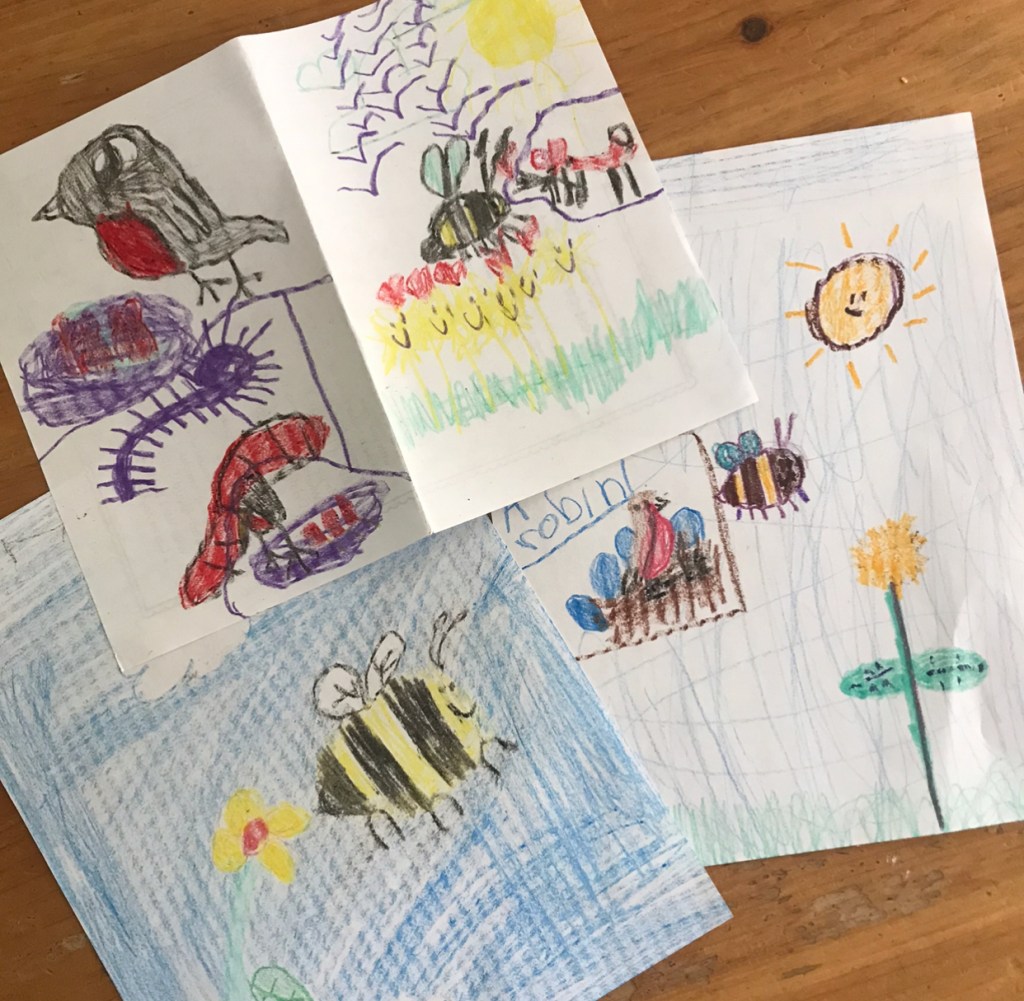
🔍 Offer children their own nature journal to draw pictures and write about the animals they are noticing.
🔍 Create a bulletin board that captures photos, drawings and children’s words about the animals they are noticing.
SCIENCE & MORE LITERACY
🔍 If children are keen to learn share about their knowledge of the different animals in your area, it can be fun to work with them to create their own Guide of Local Animals!
Final Thoughts & Support
I hope this post has sparked some ideas for you to connect children with nature on the hot, hot days of Summer. As always, please feel welcome to drop a comment or send me a note!
To further support this work, please consider doing any or all of the following:
1- Join my email list. I send a monthly email with the latest offering, so this ensures it goes straight your inbox!
2- Follow my YouTube page. This will bring the videos to you the second they are posted!
3- Support my Patreon Account. I am offering this work through YouTube and this blog as I wish to make this work accessible to everyone. Should you have interest in supporting the growth, development, and depth of this work, you can do so through my Patreon account.
Thank you for being here and taking the time to take in this work. I hope it sparks some fun and wonder in your days.
Warmly,
Tiiu
 Land Heart Song